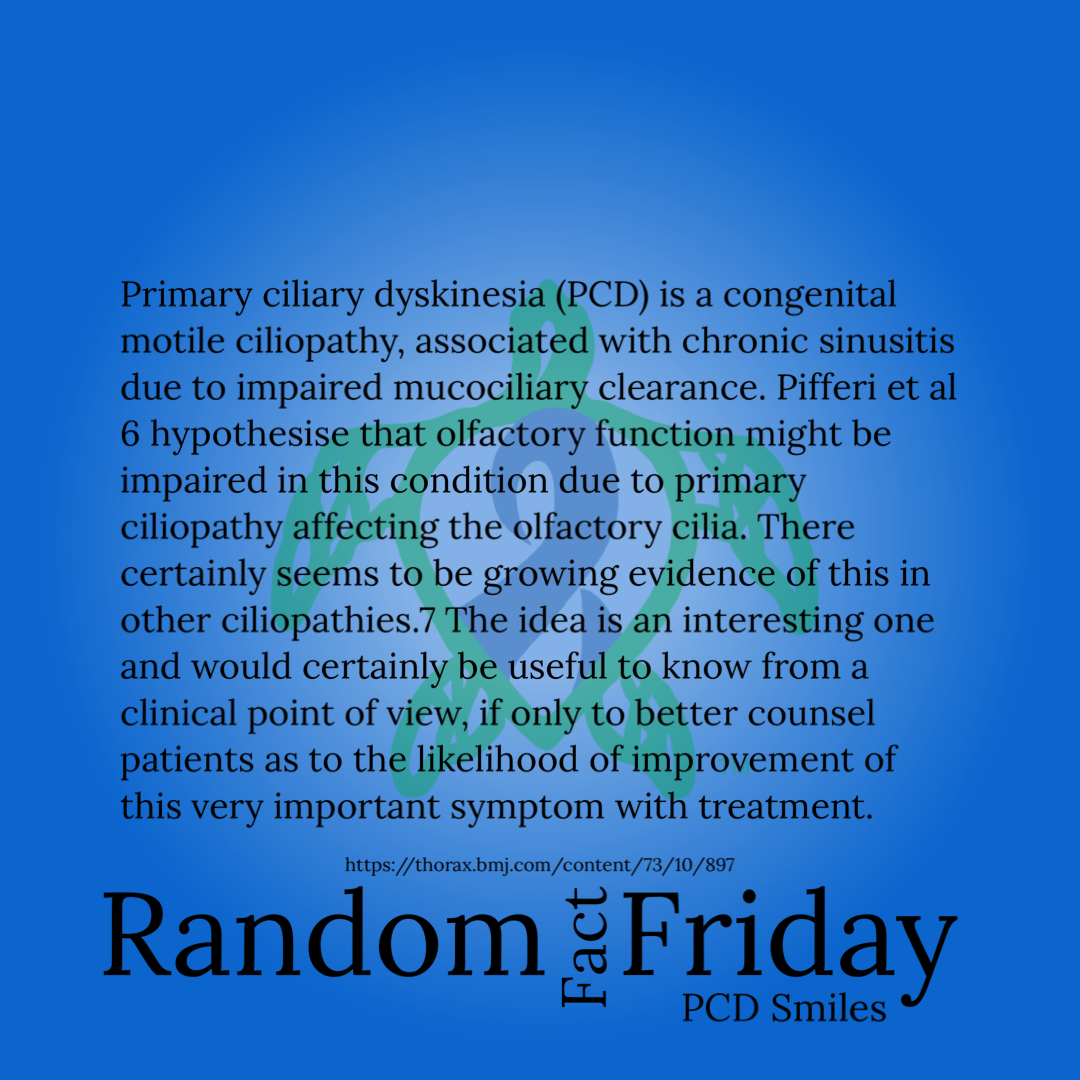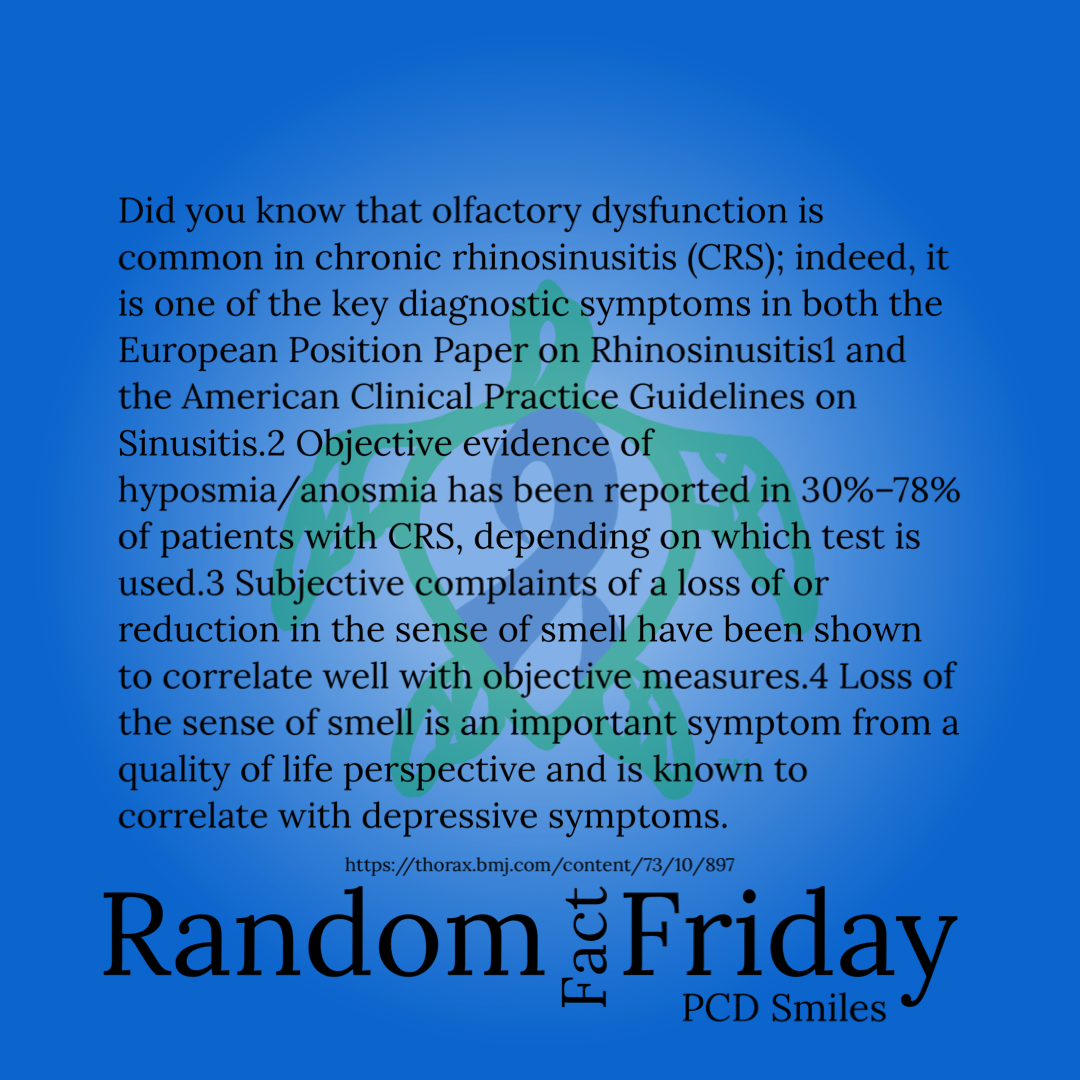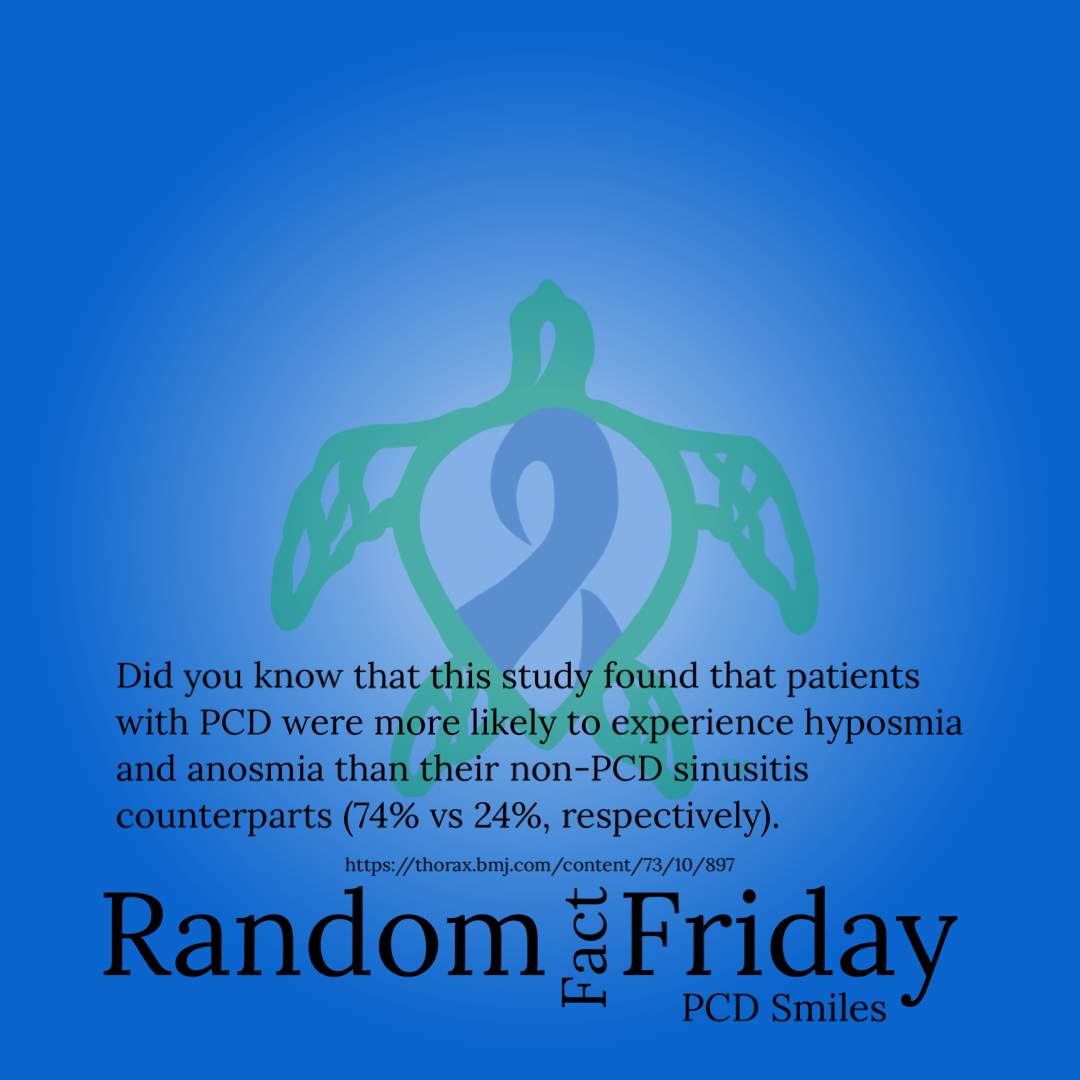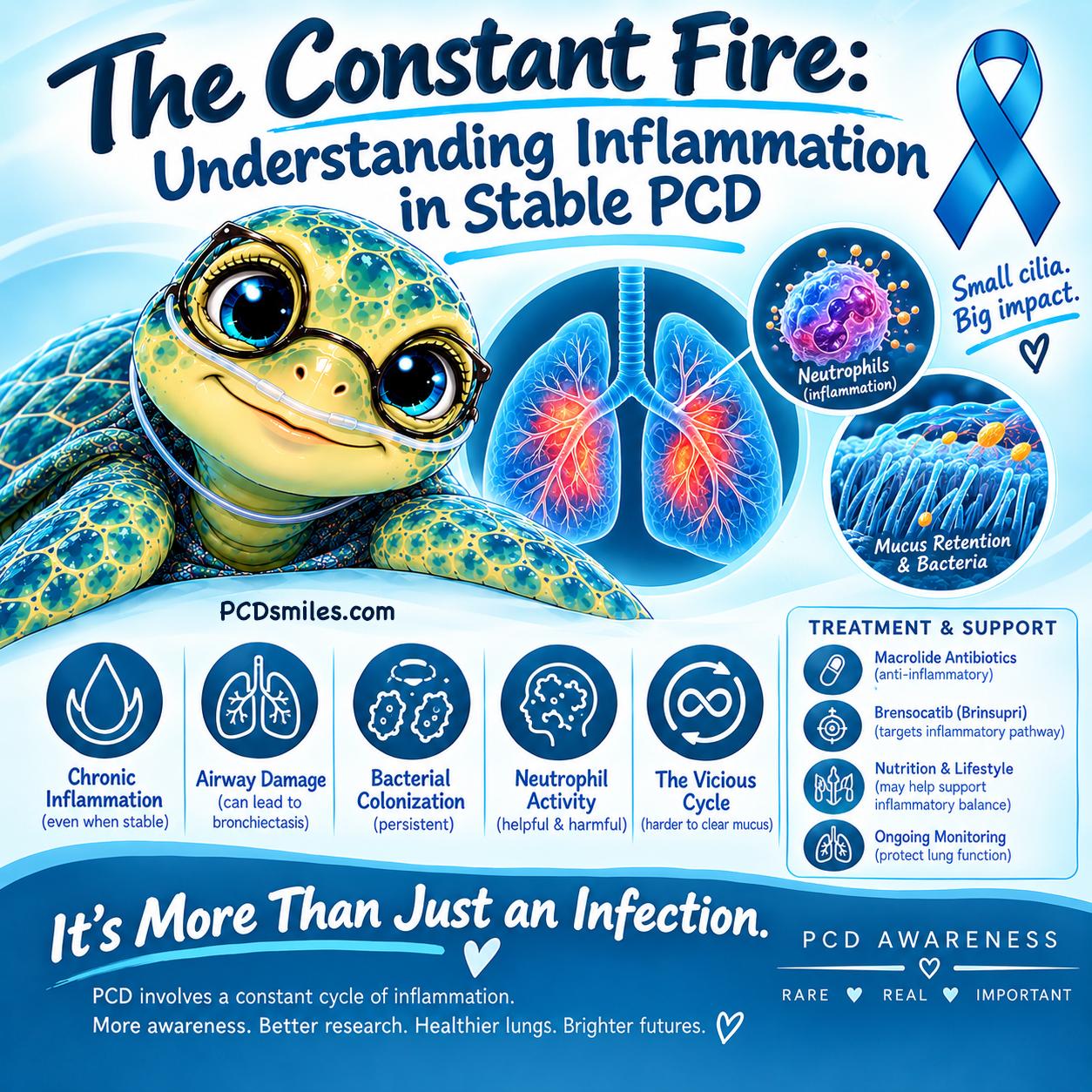

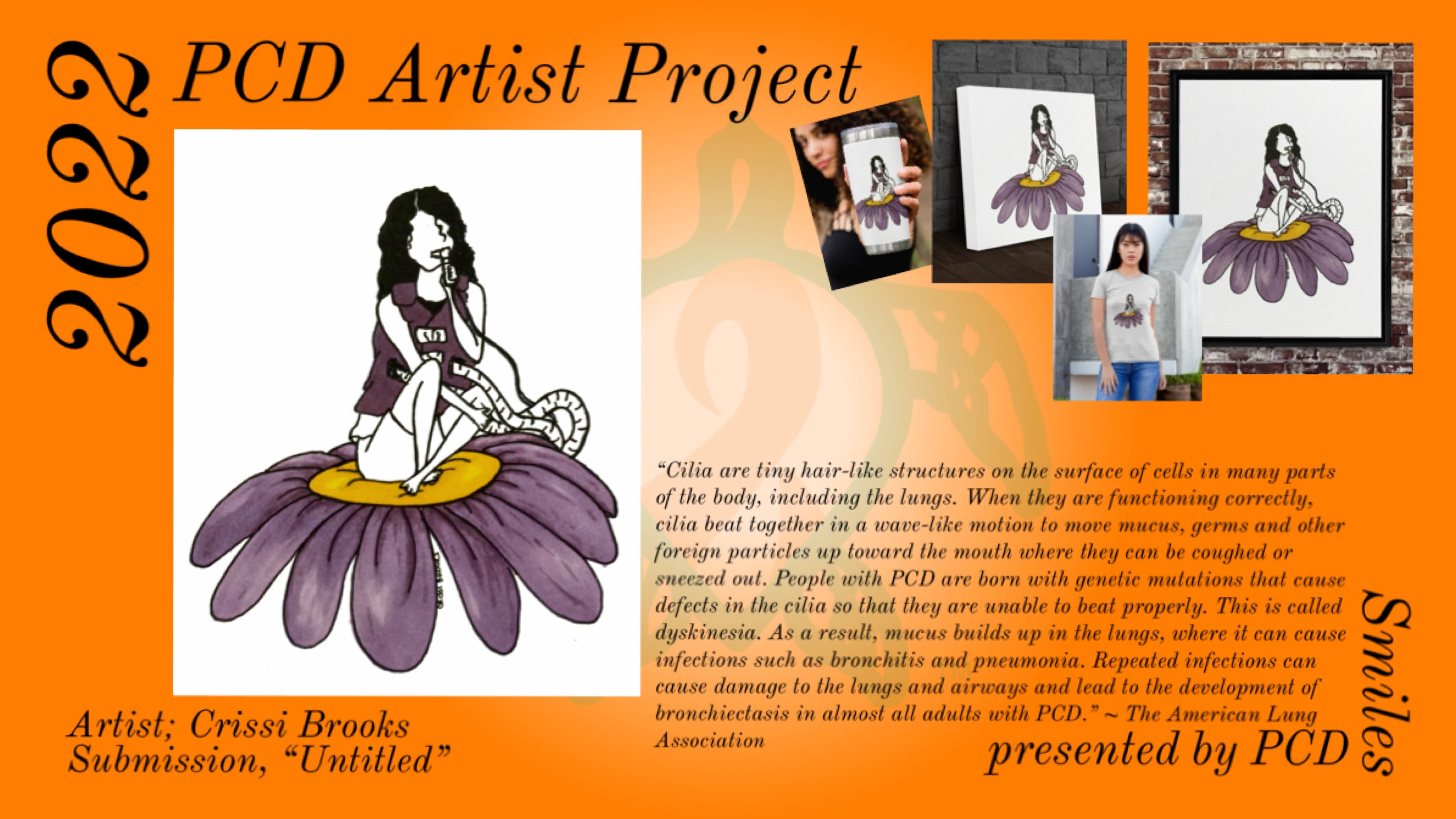
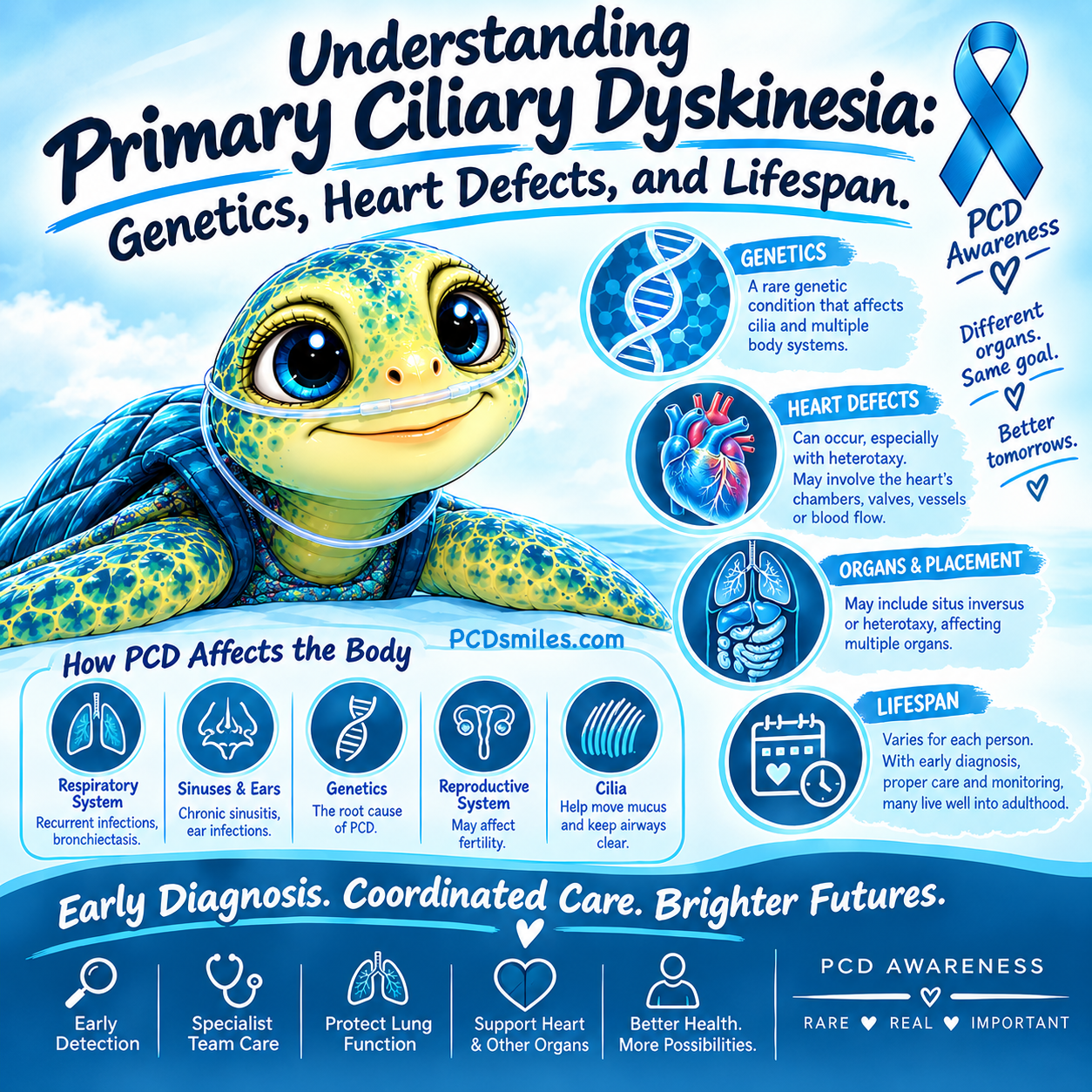
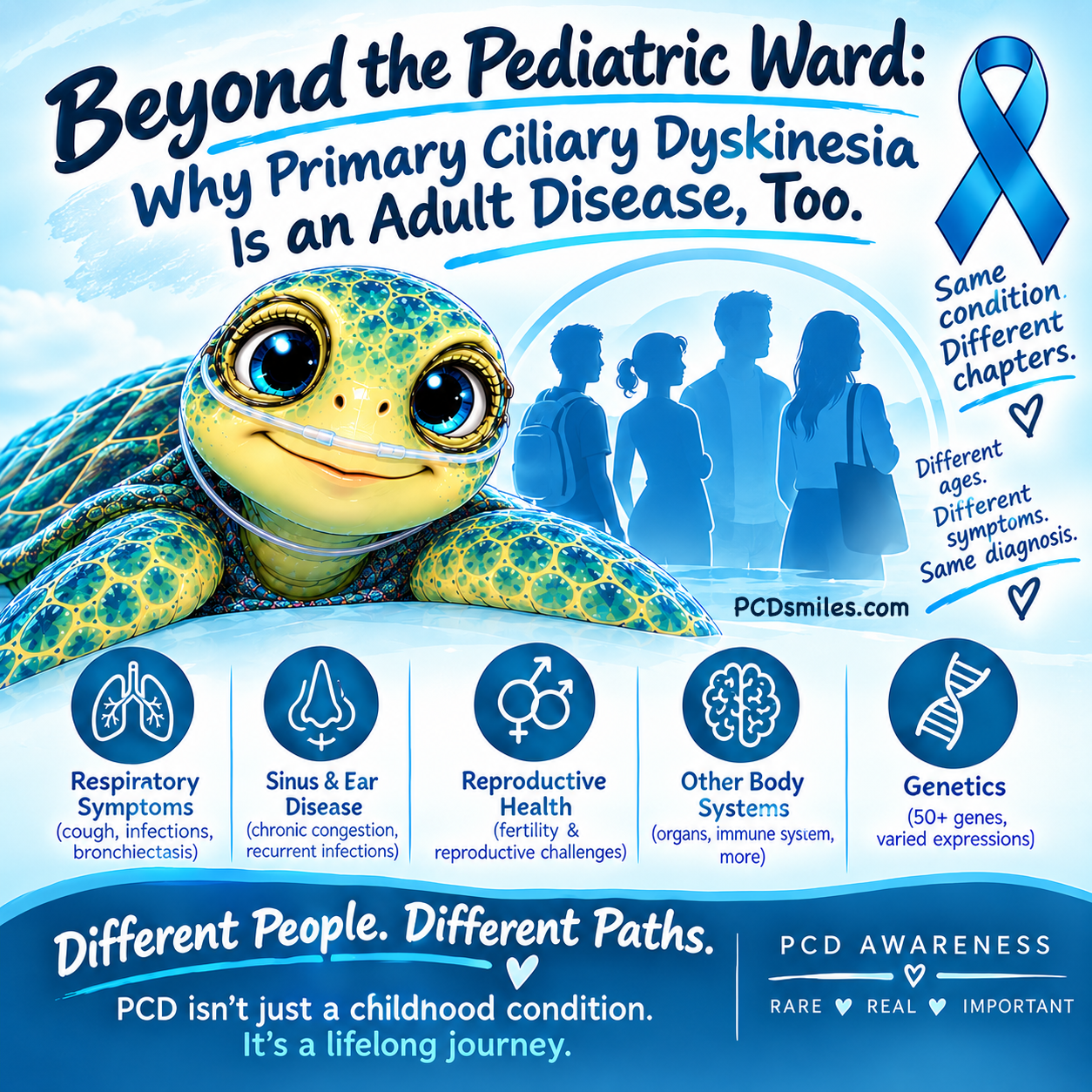
Primary Ciliary Dyskinesia (PCD) is a rare genetic condition that affects the structure and function of microscopic, hair-like structures called cilia. These cilia help move mucus, bacteria, and debris out of the lungs, sinuses, and ears and also play an important role during early development of the body.
When cilia do not function properly, mucus and bacteria can remain trapped in the airways. Over time, this can lead to repeated respiratory infections, chronic sinus and ear disease, and permanent lung damage such as bronchiectasis.
PCD is a lifelong condition, but its impact can
vary significantly from one person to another.
Understanding the relationship between PCD, organ placement, and congenital heart disease is especially important for people whose PCD occurs alongside heterotaxy.
PCD and Life Expectancy
PCD is not necessarily a condition that dramatically shortens life. Many people with PCD live well into adulthood and can have long, fulfilling lives, particularly when the disease is diagnosed early and managed consistently.
However, PCD requires lifelong care. Daily airway clearance, appropriate treatment of respiratory infections, monitoring of lung function, and management of sinus and ear disease can help protect lung health.
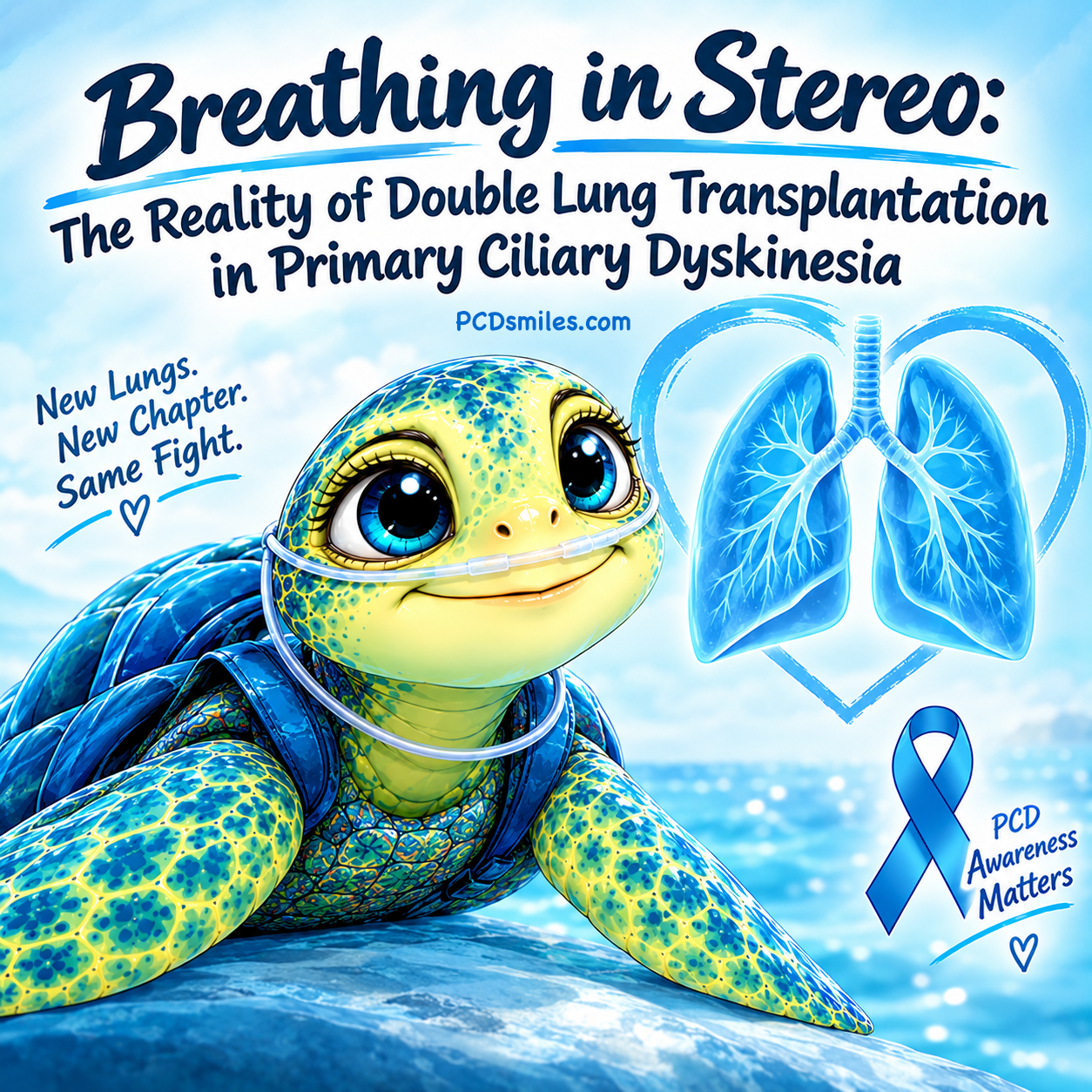
When PCD goes undiagnosed or undertreated, repeated infections and chronic inflammation can cause progressive lung damage. In more severe cases, bronchiectasis can become advanced and respiratory failure may eventually occur.
Because PCD affects people differently, there is no single life expectancy that applies to everyone with the condition. Genetics, lung disease severity, infections, other medical conditions, access to specialized care, and complications such as pulmonary hypertension or heart disease can all influence long-term health.
PCD, Cilia, and Organ Placement
Cilia do more than clear mucus. During embryonic development, specialized cilia help establish the normal left-right organization of the developing body.
When this process is disrupted, organs may develop in unusual positions or arrangements.
Situs Inversus
About half of people with PCD have some form of situs inversus, in which internal organs are positioned as a mirror image of their usual arrangement.
When the organ arrangement is otherwise complete and functioning normally, situs inversus itself may not cause major health problems. The respiratory complications of PCD remain the primary concern.
Situs Ambiguus - Heterotaxy
A smaller percentage of people with PCD develop heterotaxy, also called situs ambiguus. Rather than being a simple mirror image, the organs have an abnormal or unpredictable arrangement.
Heterotaxy can involve the heart, lungs, liver, spleen, intestines, and other organs. The severity can vary widely from one person to another.
This distinction is important: situs inversus and heterotaxy are not the same thing. Heterotaxy is more likely to be associated with significant abnormalities involving multiple organs, particularly the heart.
PCD and Congenital Heart Defects
Congenital heart defects (CHDs) are particularly important in people with PCD and heterotaxy.
Heterotaxy can be associated with complex heart abnormalities, including problems involving the heart's chambers, valves, blood vessels, or the way blood flows through the heart.
For someone who has both PCD and significant congenital heart disease, overall health is influenced by both the respiratory and cardiovascular conditions.
This does not mean that every person with PCD and a heart defect will have the same prognosis. The type and severity of the heart defect, the presence of other organ abnormalities, lung function, infections, and response to treatment all matter.
Managing Both the Heart and the Lungs
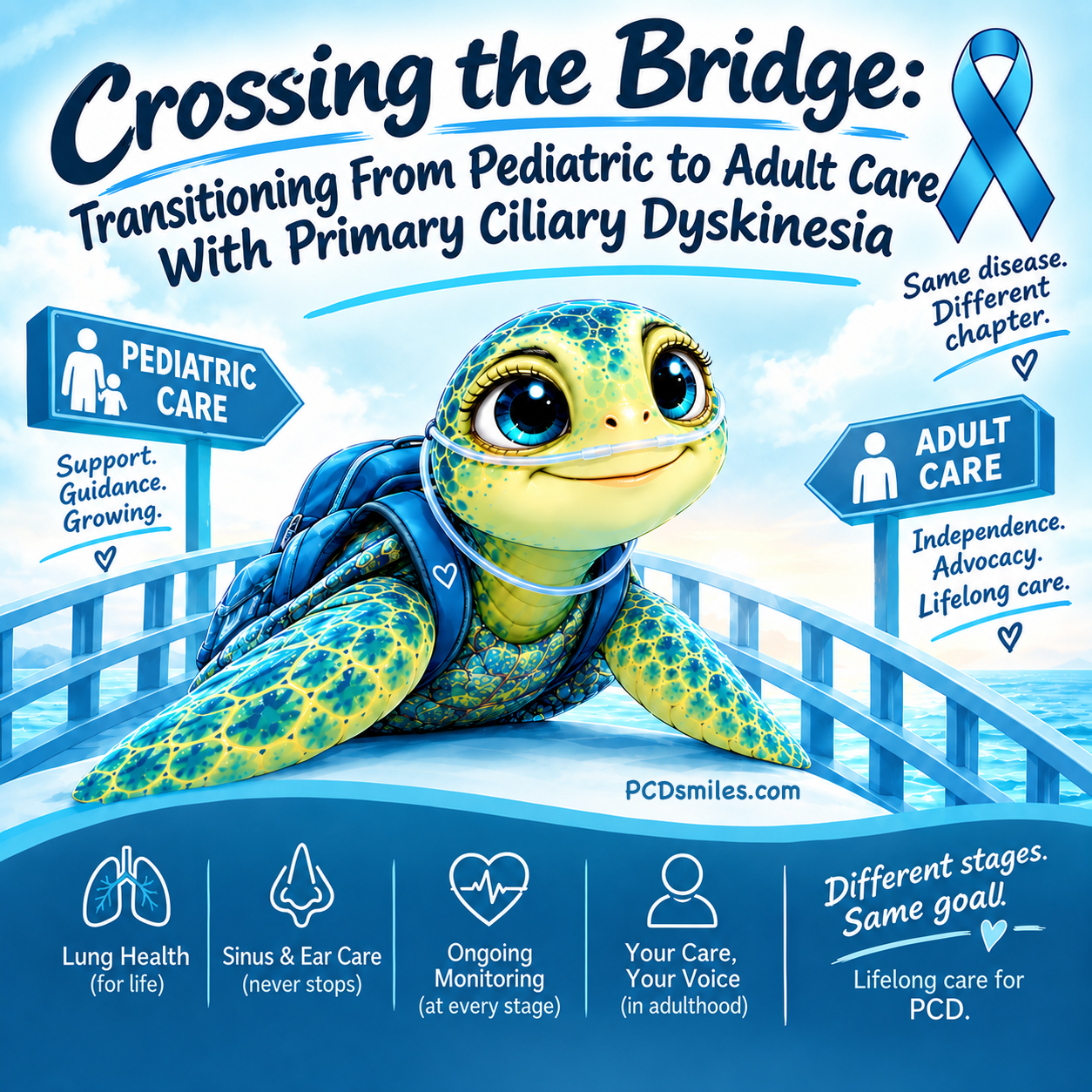
When PCD and congenital heart disease occur together, care often requires several medical specialties working together.
Cardiology and cardiac surgery may be involved in treating the heart condition, while pulmonology and other specialists manage the respiratory effects of PCD. Depending on the individual, care may also involve ENT, audiology, gastroenterology, genetics, infectious disease, nutrition, and other specialties.
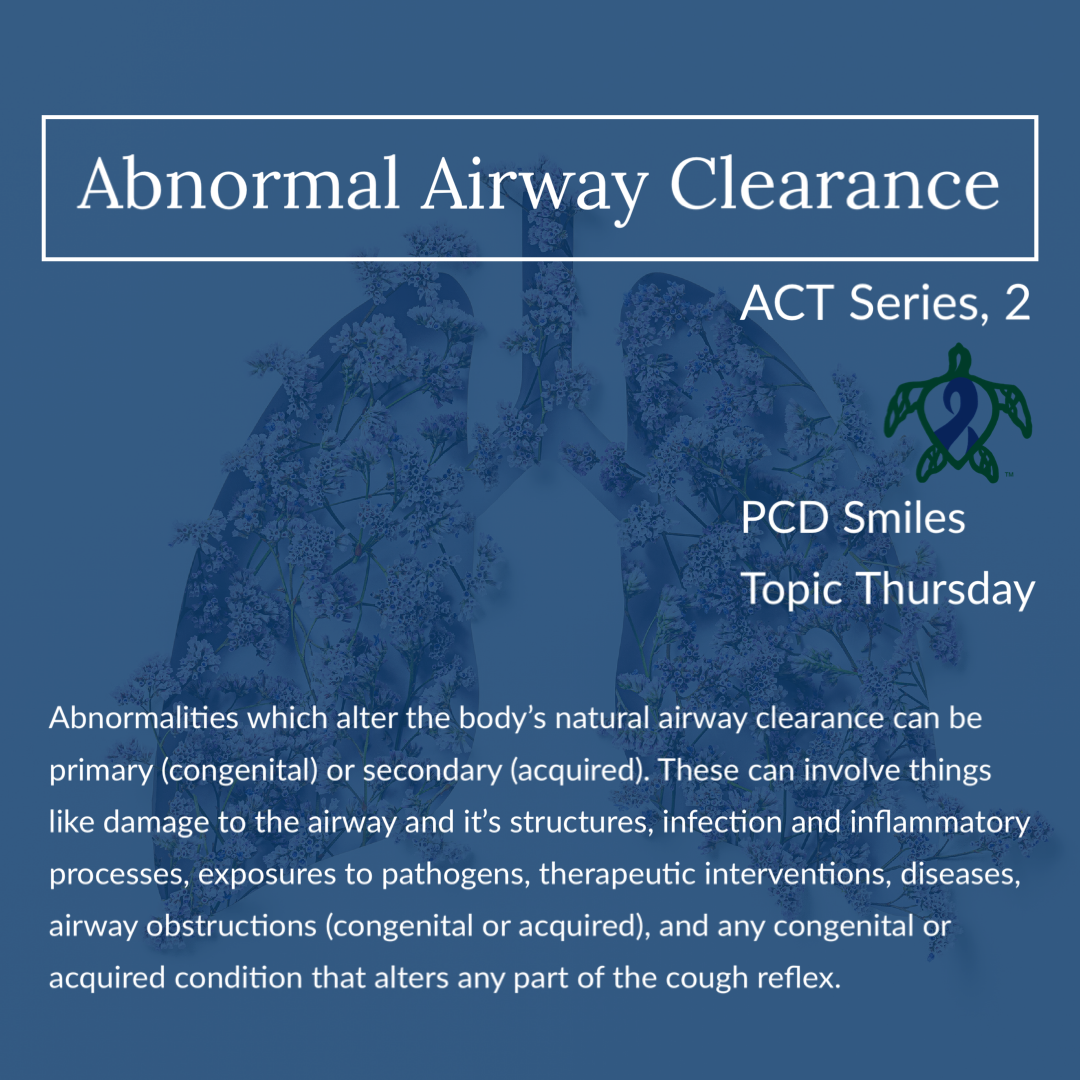
Keeping the lungs as healthy as possible is particularly important when someone also has significant heart disease. Consistent airway clearance, appropriate treatment of respiratory infections, vaccinations, monitoring, and regular specialist care can all play an important role.
Likewise, cardiac care must take the person's respiratory condition into account.
Why Early Diagnosis Matters
One of the biggest challenges with PCD is that diagnosis can be delayed.
A child who has a chronic wet cough, year-round nasal congestion, recurrent ear infections, unexplained respiratory distress, or repeated pneumonia may simply be considered "sick a lot." These symptoms can overlap with many common childhood conditions.
Certain combinations of findings should raise additional suspicion for PCD—particularly unexplained neonatal respiratory distress, chronic respiratory symptoms, bronchiectasis, abnormal organ placement, or heterotaxy with congenital heart disease.
Recognizing these patterns can lead to earlier referral for appropriate PCD testing and specialized evaluation.
Looking Beyond the Diagnosis
PCD is much more than a chronic cough or a lung disease. It is a genetic condition that can affect the respiratory system, sinuses, ears, reproductive system, and, through abnormal ciliary function during development, the arrangement of internal organs.
For people with heterotaxy and congenital heart defects, the medical picture can be considerably more complex. But complexity does not automatically mean a poor outcome.
With earlier diagnosis, individualized treatment, coordinated specialty care, and careful attention to both respiratory and cardiac health, many people with PCD can live well into adulthood.
The goal is not simply to treat infections when they happen. It is to protect lung function, recognize complications early, support the heart and other affected organs, and give each person the best opportunity for a long and meaningful life.
PCD is lifelong—but with knowledge, early diagnosis, and the right care, a diagnosis does not define how a person's life has to unfold.
Be sure to join us tomorrow for another conversation about primary ciliary dyskinesia.
Join our Facebook group Turtle Talk Café today.
We have several ways that you can donate to PCD Smiles;
- Visit Smile E. Turtle's Amazon Wishlist
- For more information on how you can donate, please visit our "Donation" page to check out our "Do & Don't policies.
- Or sponsor a PCD Smiles cheer package today!
- To shop for your “Official” turtle care ribbon gear today, visit PCD Style
Thank you for your consideration!
Medical Disclaimer
This article is intended for general educational and informational purposes only and is not a substitute for professional medical advice, diagnosis, or treatment. Infection risks and appropriate prevention strategies can vary considerably between people with PCD based on their lung health, respiratory cultures, treatments, age, and other medical conditions.
This article is for educational purposes and does not establish that over-thinning mucus causes increased infection risk in people with PCD. Responses to airway-clearance and mucoactive therapies vary. Any changes to prescribed treatments should be discussed with a healthcare professional familiar with PCD.
Cleaning and disinfection recommendations for respiratory equipment can also vary by device and manufacturer. Always follow the instructions provided by your healthcare team and equipment manufacturer.
Do not start, stop, or change medications, airway-clearance treatments, infection-control practices, or other aspects of your medical care based solely on this article. If you have PCD and are concerned about an infection, worsening respiratory symptoms, or possible exposure to a pathogen, contact your PCD or respiratory healthcare team for individualized guidance.
If you are experiencing severe or rapidly worsening breathing difficulties or another medical emergency, seek urgent medical attention.